


Our Trusted Vendor Network

John Wilds • March 20, 2026

At Tranquility Property Management, one of the most valuable — and often least visible — things we provide to rental property owners is our network of trusted vendors across La Mesa and San Diego County.


Because when it comes to maintaining your rental property, guessing isn’t a great strategy.


From plumbing and electrical work to general maintenance and emergency repairs, the quality of the people doing the work directly impacts your property, your residents, and your long-term investment.

⚠️ Why Vendor Quality Matters (More Than You Think)

A lower bid might be tempting and look good upfront. But in reality?


Cheap fixes often turn into expensive problems.


We’ve seen it happen:

• Repairs that need to be redone weeks later
• Small issues that turn into bigger ones
• Frustrated residents dealing with repeat disruptions

• Delays in rent due to unnecessary vacancy


That’s why we don’t choose vendors based on price alone.


We look at:

• Proven track record
• Consistent quality of work
• Communication and reliability
• Ability to fix the issue correctly the first time and in a timely manner


We may gather multiple bids to understand fair market pricing, but the lowest number rarely tells the full story. And because we maintain a network of trusted, reliable vendors, it’s not a guessing game — it’s an informed decision.

California Capitol Building

🤝 We’ve Already Done the Vetting

Good vendor relationships aren’t built overnight. Finding a good vendor isn’t just about Googling “plumber near me” and hoping for the best. It takes time, experience, and (let’s be honest) a few lessons learned the hard way.


We work with a list of vendors we trust (which we've been able to build over many years in business) and many of whom we would (and do) use in our own homes. That’s the standard. And strong relationships go both ways.


We:

• Pay fairly
• Pay on time
• Communicate clearly
• Respect their expertise


Because of that, our vendors:

• Respond faster
• Prioritize our properties
• Stand behind their work


And that directly benefits you as a rental property owner.
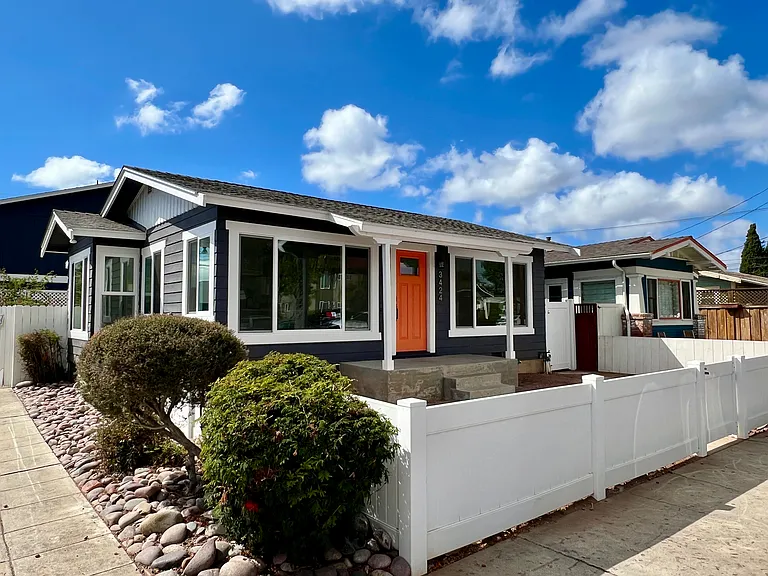
📍 Property Management in La Mesa & San Diego: What This Means for You

If you own a rental property in La Mesa or the greater San Diego area, this isn’t just a “nice to have.” It makes a real difference.


Owning property in a large city is great for many reasons but it does mean that services are in higher demand.


But having our trusted vendor list means:

• Faster response times when something breaks
• Less downtime between repairs
• Fewer repeat issues
• More reliable outcomes


And most importantly: Repairs done right the first time.


Which protects both your property and your relationship with your residents.

🏡 Protecting Your Investment (Without the Guesswork)

At the end of the day, your rental property is an investment.


And every repair decision impacts:

• Your long-term maintenance costs
• Your property value
• Your resident experience


Our role at Tranquility Property Management is to help manage all of that — not just by coordinating repairs, but by making sure the right people are doing the work.


❓Frequently Asked Questions

Why does vendor quality matter in property management?

Vendor quality directly impacts repair durability, long-term costs, and resident satisfaction. High-quality work helps prevent recurring issues and protects your investment.


Do property managers choose the cheapest vendors?

Not typically. Experienced property managers evaluate vendors based on reliability, quality of work, and long-term value — not just price.


How do property managers choose vendors in San Diego?

Vendors are selected based on experience, licensing, communication, reliability, and proven performance over time.


Do you have trusted vendors for La Mesa rental properties?

Yes, Tranquility Property Management works with a network of trusted vendors serving La Mesa and the greater San Diego area.


Can property management help reduce repair costs over time?

Yes. By using experienced vendors and ensuring repairs are done correctly the first time, property management can help reduce repeat issues and long-term costs.


📞 Property Management Support for Rental Owners in La Mesa

We’re proud to serve rental property owners throughout La Mesa and San Diego with a trusted network of vendors who help us deliver consistent, high-quality results.


If you’re looking for property management support that prioritizes long-term value over short-term fixes, we’re here to help.


Contact us to learn more about managing your rental property in La Mesa or San Diego.

Get a Rental Analysis View Services

John Wilds, President

Tranquility Property Management & Real Estate Services

john@tranquilitysandiego.com

Search

Follow Us

Recent Posts

Best Property Manager in San Diego
By Aaron Duggan September 18, 2026
When a tenant owes you money, offering them more money to move out can feel backward. You’ve already missed rent payments. The mortgage, insurance, and other expenses haven’t stopped. Now someone is suggesting you write another check? It’s an understandable reaction. But when a tenancy is no longer working, a voluntary move-out agreement, often called “cash for keys,” may help limit further losses. The question is what each available option is likely to cost from this point forward. In some situations, paying for a properly handled move-out can be less expensive than continuing a lengthy dispute. What Is Cash for Keys in a Rental Property? Cash for keys generally means an owner offers money or other agreed consideration in exchange for a tenant voluntarily moving out and returning possession of the property. The terms may include a payment, an agreement about unpaid rent, or a combination of both. Those details need to be clearly documented and legally appropriate for the situation. For an owner, the potential benefit is a more predictable path toward getting the property back. For a tenant, financial assistance may make it possible to cover moving expenses and leave a situation they can no longer sustain. Both parties need to understand what they’re agreeing to. A tenant can decline a voluntary offer. Why Would You Pay a Tenant Who Already Owes Rent? Because the unpaid balance and the cost of resolving the tenancy are two different parts of the decision. The balance already owed matters. But continuing a dispute can add more unpaid rent, legal expenses, and time without resolving the original debt. Owners understandably want accountability. They also need to protect the property’s future income. Consider a rental with monthly rent of $3,000. If another two months pass without payment, that adds $6,000 to the unpaid balance before legal expenses or turnover costs. That doesn’t mean an owner should offer $6,000, or that a legal process will take two months. It simply shows why the cost of waiting belongs in the conversation. A proposed agreement needs to be evaluated against realistic alternatives, including the likelihood of collecting money owed. The largest balance on paper doesn’t necessarily produce the best financial outcome. Is Cash for Keys Cheaper Than Eviction? It can be, but there’s no universal answer. The comparison depends on the property, the legal grounds involved, how far the dispute has progressed, and whether both parties are willing and able to follow through. Before deciding, owners should consider: Additional unpaid rent: How much more could accrue while the situation stays unresolved? Legal expenses: What does the attorney estimate for the available options? The agreement’s full cost: Include payment, any debt being forgiven, and required assistance. Timing and uncertainty: How realistic is the proposed move-out date? Turnover and leasing: What work will still be needed before the property can produce income again? Some expenses exist either way. A voluntary agreement doesn’t eliminate cleaning, necessary repairs, or the time it takes to find a new tenant. As we discussed in our article on how professional property management can save landlords money , avoiding additional losses is key to protecting rental income. When Might a Voluntary Move-Out Agreement Make Sense? It may be worth exploring when a tenant cannot catch up on rent, wants to move, and faces practical barriers to doing so. It can also help when both sides prefer a negotiated resolution over continued conflict. The agreement must still be achievable. A payment alone won’t solve an unrealistic moving timeline or a disagreement about who remains in the home. If the tenant doesn’t want to leave, the proposed terms don’t make financial sense, or urgent safety concerns exist, another approach may be necessary. An attorney can help evaluate the lawful options. Cash for keys is one possible tool. It shouldn’t be the automatic response to every difficult tenancy. Is Cash for Keys Legal in San Diego? Voluntary buyout agreements can be lawful, but requirements depend on the property’s location and circumstances. For covered properties in the City of San Diego , the tenant protection ordinance requires disclosures before making a buyout offer, written agreements, and specific notices. Translation requirements may apply. It also prohibits retaliation for refusing an offer and sets buyout amounts in relation to relocation assistance. The ordinance excludes agreements settling a pending unlawful detainer case from its definition of a buyout agreement. That distinction requires legal review; it is not a reason to file a case to avoid buyout requirements. See San Diego’s Residential Tenant Protections, including Section 98.0707 . These are city rules, not rules that automatically apply throughout San Diego County. An owner in La Mesa should not assume the same local ordinance governs their property. Have a California landlord-tenant attorney review the situation before making an offer , including any required relocation assistance. Voluntary payments and legally required relocation assistance are not interchangeable.  What Should a Cash for Keys Agreement Address? A properly prepared agreement should clearly state the payment amount, the move-out date, and what happens to any unresolved obligations. Topics to review with an attorney include: Who must sign and which occupants are covered. The move-out date and how you will return possession. The payment amount, timing, and conditions. Whether unpaid rent is forgiven, reduced, or remains owed. How the security deposit will be accounted for under applicable law. Any required disclosures, translations, or other local protections. Don’t assume that paying someone to leave automatically settles every financial issue. Likewise, don't treat the security deposit as an informal bargaining fund. If the tenant doesn’t leave as agreed, the owner still must follow the lawful process. Changing locks, shutting off utilities, or removing belongings to force a move-out is illegal. The California Attorney General’s landlord-tenant guidance explains these protections. How Can Property Management Help Owners Make the Decision? A difficult tenancy can make every decision feel personal. A property manager can help organize the facts: payment history, communication, ongoing costs, and what the property will need after possession is lawfully returned. Those facts give the owner and attorney a clearer basis for comparing options. This article provides general information, not legal advice. Buyout and eviction requirements depend on the property and circumstances
The Best San Diego Property Management
By John Wilds September 1, 2026
The Best San Diego Property Management
By Aaron Duggan August 10, 2026
We were recently referred to the parents of an existing client. They told us their current property manager had experienced some difficulty completing a unit turnover and filling the vacancy. It had taken two year . No, that’s not a typo. Two. Years. A vacant rental property is already costly. When maintenance, communication and leasing delays begin stacking up, an ordinary turnover can quickly become a much larger problem. Here’s what we were able to tell them about how Tranquility does business.
By John Wilds July 27, 2026
Property maintenance isn’t an especially exciting topic… until a heater stops working during the first cold weekend, a heavy rainstorm meets a clogged gutter, or an oven gives up with a holiday turkey inside.
AaronDugganSanDiegoPropertyManagement
By Aaron Duggan June 19, 2026
Aaron Duggan shares six pieces of common property management advice TPM chose not to follow—and how focusing on people, systems, communication, and long-term thinking helped build a successful San Diego property management company.

Share this post

Best Property Manager in San Diego
By Aaron Duggan September 18, 2026
When a tenant owes you money, offering them more money to move out can feel backward. You’ve already missed rent payments. The mortgage, insurance, and other expenses haven’t stopped. Now someone is suggesting you write another check? It’s an understandable reaction. But when a tenancy is no longer working, a voluntary move-out agreement, often called “cash for keys,” may help limit further losses. The question is what each available option is likely to cost from this point forward. In some situations, paying for a properly handled move-out can be less expensive than continuing a lengthy dispute. What Is Cash for Keys in a Rental Property? Cash for keys generally means an owner offers money or other agreed consideration in exchange for a tenant voluntarily moving out and returning possession of the property. The terms may include a payment, an agreement about unpaid rent, or a combination of both. Those details need to be clearly documented and legally appropriate for the situation. For an owner, the potential benefit is a more predictable path toward getting the property back. For a tenant, financial assistance may make it possible to cover moving expenses and leave a situation they can no longer sustain. Both parties need to understand what they’re agreeing to. A tenant can decline a voluntary offer. Why Would You Pay a Tenant Who Already Owes Rent? Because the unpaid balance and the cost of resolving the tenancy are two different parts of the decision. The balance already owed matters. But continuing a dispute can add more unpaid rent, legal expenses, and time without resolving the original debt. Owners understandably want accountability. They also need to protect the property’s future income. Consider a rental with monthly rent of $3,000. If another two months pass without payment, that adds $6,000 to the unpaid balance before legal expenses or turnover costs. That doesn’t mean an owner should offer $6,000, or that a legal process will take two months. It simply shows why the cost of waiting belongs in the conversation. A proposed agreement needs to be evaluated against realistic alternatives, including the likelihood of collecting money owed. The largest balance on paper doesn’t necessarily produce the best financial outcome. Is Cash for Keys Cheaper Than Eviction? It can be, but there’s no universal answer. The comparison depends on the property, the legal grounds involved, how far the dispute has progressed, and whether both parties are willing and able to follow through. Before deciding, owners should consider: Additional unpaid rent: How much more could accrue while the situation stays unresolved? Legal expenses: What does the attorney estimate for the available options? The agreement’s full cost: Include payment, any debt being forgiven, and required assistance. Timing and uncertainty: How realistic is the proposed move-out date? Turnover and leasing: What work will still be needed before the property can produce income again? Some expenses exist either way. A voluntary agreement doesn’t eliminate cleaning, necessary repairs, or the time it takes to find a new tenant. As we discussed in our article on how professional property management can save landlords money , avoiding additional losses is key to protecting rental income. When Might a Voluntary Move-Out Agreement Make Sense? It may be worth exploring when a tenant cannot catch up on rent, wants to move, and faces practical barriers to doing so. It can also help when both sides prefer a negotiated resolution over continued conflict. The agreement must still be achievable. A payment alone won’t solve an unrealistic moving timeline or a disagreement about who remains in the home. If the tenant doesn’t want to leave, the proposed terms don’t make financial sense, or urgent safety concerns exist, another approach may be necessary. An attorney can help evaluate the lawful options. Cash for keys is one possible tool. It shouldn’t be the automatic response to every difficult tenancy. Is Cash for Keys Legal in San Diego? Voluntary buyout agreements can be lawful, but requirements depend on the property’s location and circumstances. For covered properties in the City of San Diego , the tenant protection ordinance requires disclosures before making a buyout offer, written agreements, and specific notices. Translation requirements may apply. It also prohibits retaliation for refusing an offer and sets buyout amounts in relation to relocation assistance. The ordinance excludes agreements settling a pending unlawful detainer case from its definition of a buyout agreement. That distinction requires legal review; it is not a reason to file a case to avoid buyout requirements. See San Diego’s Residential Tenant Protections, including Section 98.0707 . These are city rules, not rules that automatically apply throughout San Diego County. An owner in La Mesa should not assume the same local ordinance governs their property. Have a California landlord-tenant attorney review the situation before making an offer , including any required relocation assistance. Voluntary payments and legally required relocation assistance are not interchangeable.  What Should a Cash for Keys Agreement Address? A properly prepared agreement should clearly state the payment amount, the move-out date, and what happens to any unresolved obligations. Topics to review with an attorney include: Who must sign and which occupants are covered. The move-out date and how you will return possession. The payment amount, timing, and conditions. Whether unpaid rent is forgiven, reduced, or remains owed. How the security deposit will be accounted for under applicable law. Any required disclosures, translations, or other local protections. Don’t assume that paying someone to leave automatically settles every financial issue. Likewise, don't treat the security deposit as an informal bargaining fund. If the tenant doesn’t leave as agreed, the owner still must follow the lawful process. Changing locks, shutting off utilities, or removing belongings to force a move-out is illegal. The California Attorney General’s landlord-tenant guidance explains these protections. How Can Property Management Help Owners Make the Decision? A difficult tenancy can make every decision feel personal. A property manager can help organize the facts: payment history, communication, ongoing costs, and what the property will need after possession is lawfully returned. Those facts give the owner and attorney a clearer basis for comparing options. This article provides general information, not legal advice. Buyout and eviction requirements depend on the property and circumstances
The Best San Diego Property Management
By John Wilds September 1, 2026
The Best San Diego Property Management
By Aaron Duggan August 10, 2026
We were recently referred to the parents of an existing client. They told us their current property manager had experienced some difficulty completing a unit turnover and filling the vacancy. It had taken two year . No, that’s not a typo. Two. Years. A vacant rental property is already costly. When maintenance, communication and leasing delays begin stacking up, an ordinary turnover can quickly become a much larger problem. Here’s what we were able to tell them about how Tranquility does business.
Show More