Transforming a Home with Low Water Landscaping: A Sustainable Success Story

Aaron Duggan • October 17, 2023

A comprehensive look at the benefits and outcomes of transitioning to low water landscaping at your rental.

San Diego, with its Mediterranean climate and semi-arid environment, faces unique challenges when it comes to water conservation and sustainable landscaping. The traditional lush green lawns that require significant irrigation not only strain local water resources but also contribute to the region's vulnerability to drought. This has led many rental property owners in San Diego to explore an alternative: replacing grass with native plants. Embracing this eco-friendly trend can bring a host of environmental, economic, and aesthetic benefits.


Native plants, well-suited to the San Diego climate, have adapted to the area's specific weather patterns, reducing the need for excessive watering. By replacing water-thirsty grass with these indigenous species, rental property owners can significantly reduce water consumption at their rental, thereby contributing to water conservation efforts. This transition also aligns with San Diego's water management policies that encourage sustainable landscaping, offering rebates and incentives to those who make the switch to native plants.


Rental property owners may also take into account this bottom line consideration: we frequently suggest landlords pay a portion of the water bill at their rental if the landscape is one that requires significant water to keep looking lush. By opting for a water-wise landscape, we are better in a position to negotiate 100% water charges for tenants. 


Aside from water savings and economic concerns, using native plants in landscaping promotes biodiversity. Native flora provides essential habitat and food sources for local wildlife, such as birds, insects, and pollinators. By fostering a thriving ecosystem, rental property owners can contribute to the region's overall environmental health and resilience. The colorful and diverse array of native plants can also enhance curb appeal with unique, low-maintenance, and drought-resistant gardens.


Replacing grass with native plants is an environmentally conscious choice that goes hand in hand with San Diego's broader sustainability goals. As a county impacted by water scarcity, this shift not only helps preserve local water resources but also promotes biodiversity, reduces maintenance costs, and enhances the aesthetic appeal of outdoor spaces. Embracing this trend can lead to a greener, more sustainable San Diego, where the harmony between the urban environment and the natural world becomes increasingly achievable.


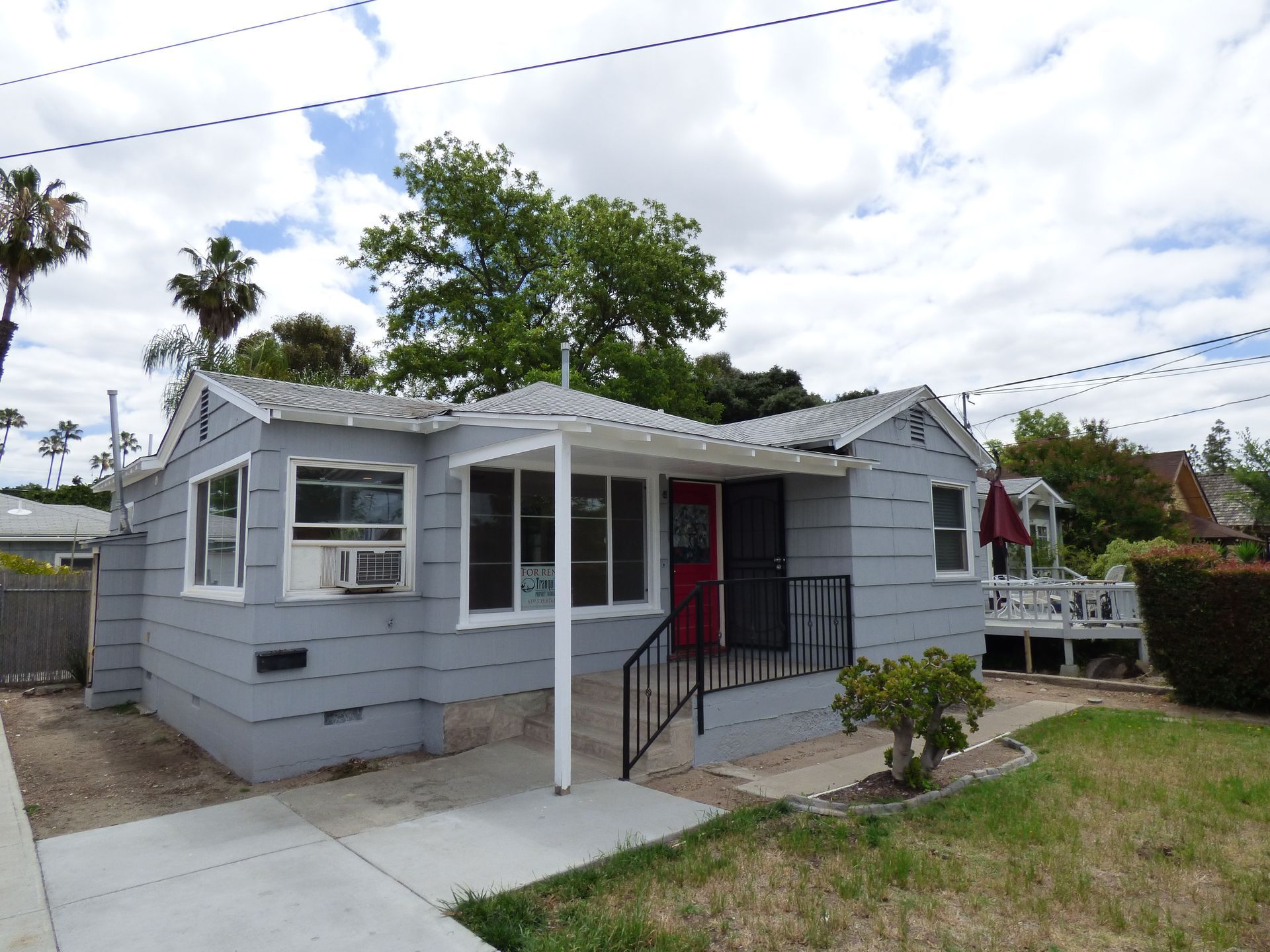
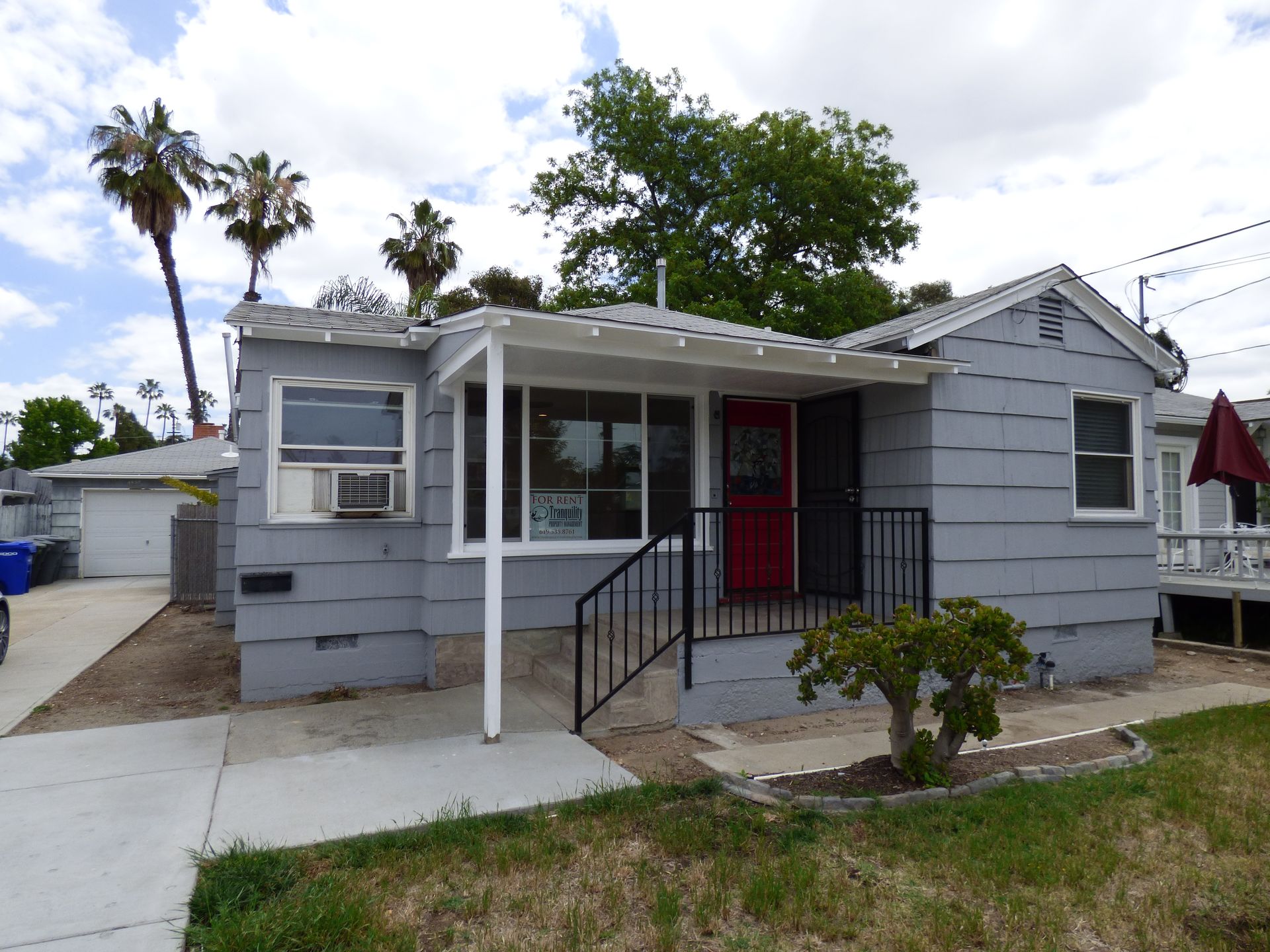
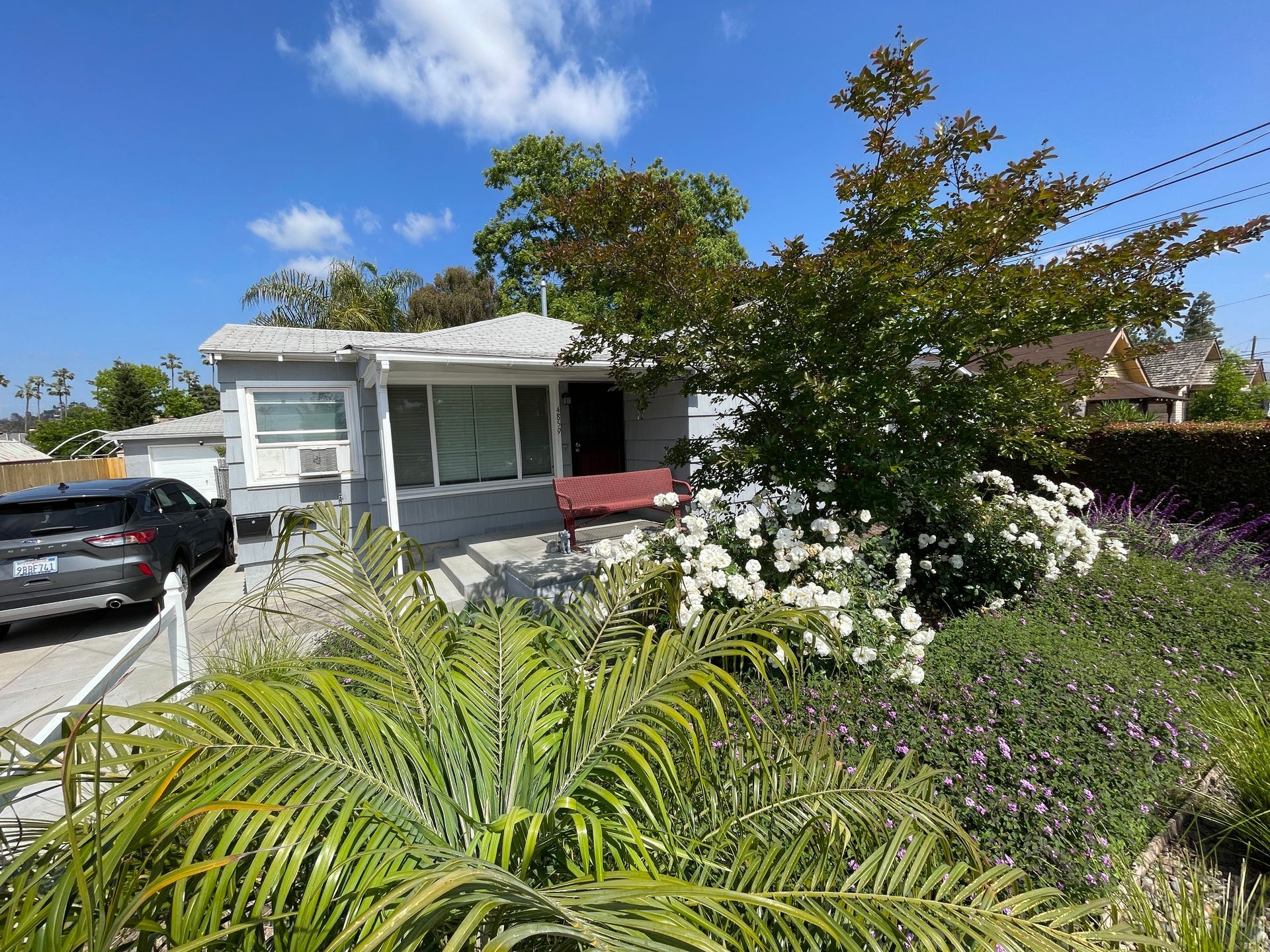
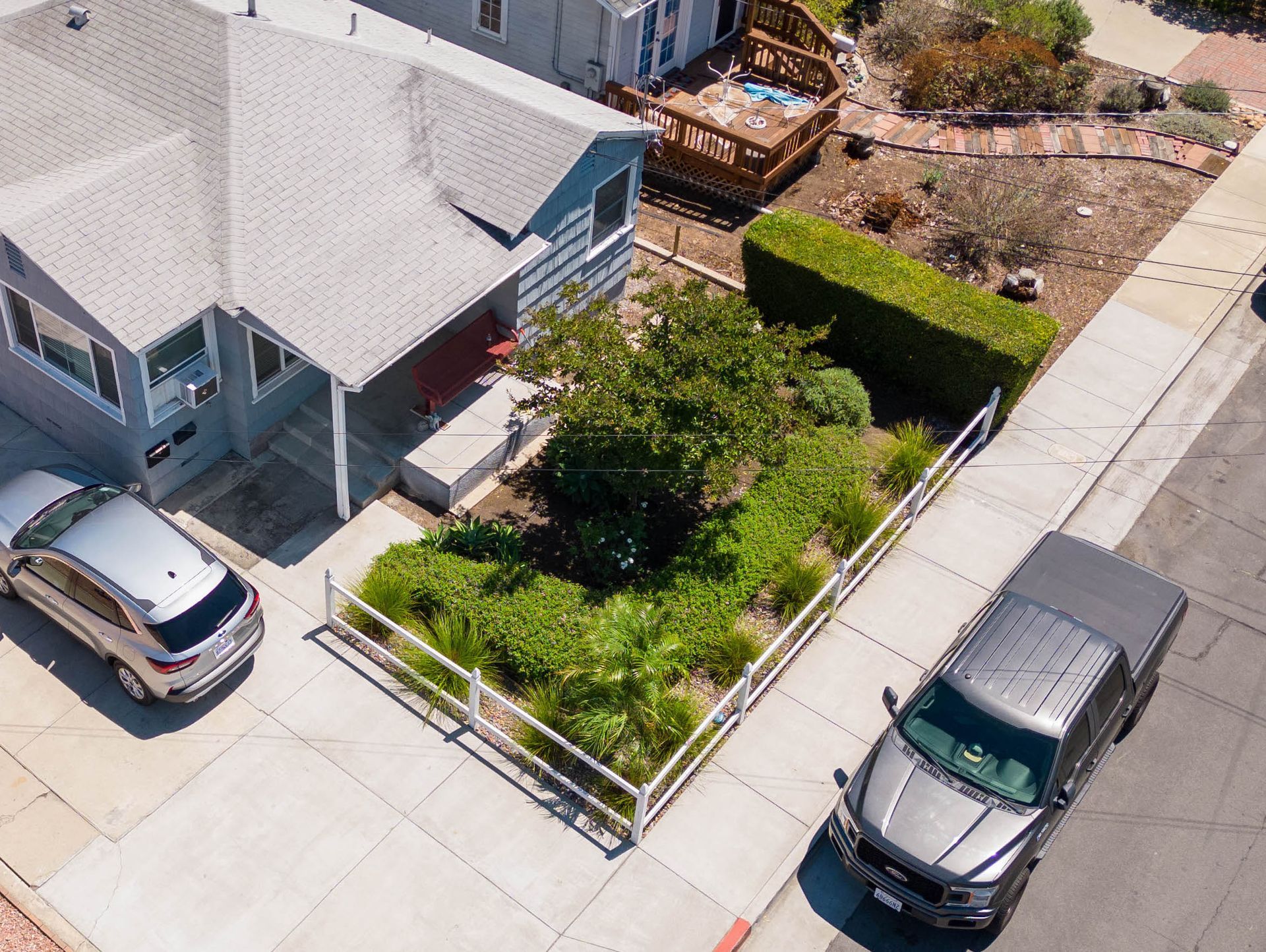
Here are some before and after photos of a rental whose yard we helped transform with the help of our trusted landscaping contractors. If you would like a quote to do the same at your rental, call or email the Tranquility office and we’ll help get a proposal together for you!


Search

Follow Us

Recent Posts

Best Property Manager in San Diego
By Aaron Duggan September 18, 2026
When a tenant owes you money, offering them more money to move out can feel backward. You’ve already missed rent payments. The mortgage, insurance, and other expenses haven’t stopped. Now someone is suggesting you write another check? It’s an understandable reaction. But when a tenancy is no longer working, a voluntary move-out agreement, often called “cash for keys,” may help limit further losses. The question is what each available option is likely to cost from this point forward. In some situations, paying for a properly handled move-out can be less expensive than continuing a lengthy dispute. What Is Cash for Keys in a Rental Property? Cash for keys generally means an owner offers money or other agreed consideration in exchange for a tenant voluntarily moving out and returning possession of the property. The terms may include a payment, an agreement about unpaid rent, or a combination of both. Those details need to be clearly documented and legally appropriate for the situation. For an owner, the potential benefit is a more predictable path toward getting the property back. For a tenant, financial assistance may make it possible to cover moving expenses and leave a situation they can no longer sustain. Both parties need to understand what they’re agreeing to. A tenant can decline a voluntary offer. Why Would You Pay a Tenant Who Already Owes Rent? Because the unpaid balance and the cost of resolving the tenancy are two different parts of the decision. The balance already owed matters. But continuing a dispute can add more unpaid rent, legal expenses, and time without resolving the original debt. Owners understandably want accountability. They also need to protect the property’s future income. Consider a rental with monthly rent of $3,000. If another two months pass without payment, that adds $6,000 to the unpaid balance before legal expenses or turnover costs. That doesn’t mean an owner should offer $6,000, or that a legal process will take two months. It simply shows why the cost of waiting belongs in the conversation. A proposed agreement needs to be evaluated against realistic alternatives, including the likelihood of collecting money owed. The largest balance on paper doesn’t necessarily produce the best financial outcome. Is Cash for Keys Cheaper Than Eviction? It can be, but there’s no universal answer. The comparison depends on the property, the legal grounds involved, how far the dispute has progressed, and whether both parties are willing and able to follow through. Before deciding, owners should consider: Additional unpaid rent: How much more could accrue while the situation stays unresolved? Legal expenses: What does the attorney estimate for the available options? The agreement’s full cost: Include payment, any debt being forgiven, and required assistance. Timing and uncertainty: How realistic is the proposed move-out date? Turnover and leasing: What work will still be needed before the property can produce income again? Some expenses exist either way. A voluntary agreement doesn’t eliminate cleaning, necessary repairs, or the time it takes to find a new tenant. As we discussed in our article on how professional property management can save landlords money , avoiding additional losses is key to protecting rental income. When Might a Voluntary Move-Out Agreement Make Sense? It may be worth exploring when a tenant cannot catch up on rent, wants to move, and faces practical barriers to doing so. It can also help when both sides prefer a negotiated resolution over continued conflict. The agreement must still be achievable. A payment alone won’t solve an unrealistic moving timeline or a disagreement about who remains in the home. If the tenant doesn’t want to leave, the proposed terms don’t make financial sense, or urgent safety concerns exist, another approach may be necessary. An attorney can help evaluate the lawful options. Cash for keys is one possible tool. It shouldn’t be the automatic response to every difficult tenancy. Is Cash for Keys Legal in San Diego? Voluntary buyout agreements can be lawful, but requirements depend on the property’s location and circumstances. For covered properties in the City of San Diego , the tenant protection ordinance requires disclosures before making a buyout offer, written agreements, and specific notices. Translation requirements may apply. It also prohibits retaliation for refusing an offer and sets buyout amounts in relation to relocation assistance. The ordinance excludes agreements settling a pending unlawful detainer case from its definition of a buyout agreement. That distinction requires legal review; it is not a reason to file a case to avoid buyout requirements. See San Diego’s Residential Tenant Protections, including Section 98.0707 . These are city rules, not rules that automatically apply throughout San Diego County. An owner in La Mesa should not assume the same local ordinance governs their property. Have a California landlord-tenant attorney review the situation before making an offer , including any required relocation assistance. Voluntary payments and legally required relocation assistance are not interchangeable.  What Should a Cash for Keys Agreement Address? A properly prepared agreement should clearly state the payment amount, the move-out date, and what happens to any unresolved obligations. Topics to review with an attorney include: Who must sign and which occupants are covered. The move-out date and how you will return possession. The payment amount, timing, and conditions. Whether unpaid rent is forgiven, reduced, or remains owed. How the security deposit will be accounted for under applicable law. Any required disclosures, translations, or other local protections. Don’t assume that paying someone to leave automatically settles every financial issue. Likewise, don't treat the security deposit as an informal bargaining fund. If the tenant doesn’t leave as agreed, the owner still must follow the lawful process. Changing locks, shutting off utilities, or removing belongings to force a move-out is illegal. The California Attorney General’s landlord-tenant guidance explains these protections. How Can Property Management Help Owners Make the Decision? A difficult tenancy can make every decision feel personal. A property manager can help organize the facts: payment history, communication, ongoing costs, and what the property will need after possession is lawfully returned. Those facts give the owner and attorney a clearer basis for comparing options. This article provides general information, not legal advice. Buyout and eviction requirements depend on the property and circumstances

The Best San Diego Property Management
By John Wilds September 1, 2026
The Best San Diego Property Management
By Aaron Duggan August 10, 2026
We were recently referred to the parents of an existing client. They told us their current property manager had experienced some difficulty completing a unit turnover and filling the vacancy. It had taken two year . No, that’s not a typo. Two. Years. A vacant rental property is already costly. When maintenance, communication and leasing delays begin stacking up, an ordinary turnover can quickly become a much larger problem. Here’s what we were able to tell them about how Tranquility does business.
By John Wilds July 27, 2026
Property maintenance isn’t an especially exciting topic… until a heater stops working during the first cold weekend, a heavy rainstorm meets a clogged gutter, or an oven gives up with a holiday turkey inside.
AaronDugganSanDiegoPropertyManagement
By Aaron Duggan June 19, 2026
Aaron Duggan shares six pieces of common property management advice TPM chose not to follow—and how focusing on people, systems, communication, and long-term thinking helped build a successful San Diego property management company.

Share this post

Best Property Manager in San Diego
By Aaron Duggan September 18, 2026
When a tenant owes you money, offering them more money to move out can feel backward. You’ve already missed rent payments. The mortgage, insurance, and other expenses haven’t stopped. Now someone is suggesting you write another check? It’s an understandable reaction. But when a tenancy is no longer working, a voluntary move-out agreement, often called “cash for keys,” may help limit further losses. The question is what each available option is likely to cost from this point forward. In some situations, paying for a properly handled move-out can be less expensive than continuing a lengthy dispute. What Is Cash for Keys in a Rental Property? Cash for keys generally means an owner offers money or other agreed consideration in exchange for a tenant voluntarily moving out and returning possession of the property. The terms may include a payment, an agreement about unpaid rent, or a combination of both. Those details need to be clearly documented and legally appropriate for the situation. For an owner, the potential benefit is a more predictable path toward getting the property back. For a tenant, financial assistance may make it possible to cover moving expenses and leave a situation they can no longer sustain. Both parties need to understand what they’re agreeing to. A tenant can decline a voluntary offer. Why Would You Pay a Tenant Who Already Owes Rent? Because the unpaid balance and the cost of resolving the tenancy are two different parts of the decision. The balance already owed matters. But continuing a dispute can add more unpaid rent, legal expenses, and time without resolving the original debt. Owners understandably want accountability. They also need to protect the property’s future income. Consider a rental with monthly rent of $3,000. If another two months pass without payment, that adds $6,000 to the unpaid balance before legal expenses or turnover costs. That doesn’t mean an owner should offer $6,000, or that a legal process will take two months. It simply shows why the cost of waiting belongs in the conversation. A proposed agreement needs to be evaluated against realistic alternatives, including the likelihood of collecting money owed. The largest balance on paper doesn’t necessarily produce the best financial outcome. Is Cash for Keys Cheaper Than Eviction? It can be, but there’s no universal answer. The comparison depends on the property, the legal grounds involved, how far the dispute has progressed, and whether both parties are willing and able to follow through. Before deciding, owners should consider: Additional unpaid rent: How much more could accrue while the situation stays unresolved? Legal expenses: What does the attorney estimate for the available options? The agreement’s full cost: Include payment, any debt being forgiven, and required assistance. Timing and uncertainty: How realistic is the proposed move-out date? Turnover and leasing: What work will still be needed before the property can produce income again? Some expenses exist either way. A voluntary agreement doesn’t eliminate cleaning, necessary repairs, or the time it takes to find a new tenant. As we discussed in our article on how professional property management can save landlords money , avoiding additional losses is key to protecting rental income. When Might a Voluntary Move-Out Agreement Make Sense? It may be worth exploring when a tenant cannot catch up on rent, wants to move, and faces practical barriers to doing so. It can also help when both sides prefer a negotiated resolution over continued conflict. The agreement must still be achievable. A payment alone won’t solve an unrealistic moving timeline or a disagreement about who remains in the home. If the tenant doesn’t want to leave, the proposed terms don’t make financial sense, or urgent safety concerns exist, another approach may be necessary. An attorney can help evaluate the lawful options. Cash for keys is one possible tool. It shouldn’t be the automatic response to every difficult tenancy. Is Cash for Keys Legal in San Diego? Voluntary buyout agreements can be lawful, but requirements depend on the property’s location and circumstances. For covered properties in the City of San Diego , the tenant protection ordinance requires disclosures before making a buyout offer, written agreements, and specific notices. Translation requirements may apply. It also prohibits retaliation for refusing an offer and sets buyout amounts in relation to relocation assistance. The ordinance excludes agreements settling a pending unlawful detainer case from its definition of a buyout agreement. That distinction requires legal review; it is not a reason to file a case to avoid buyout requirements. See San Diego’s Residential Tenant Protections, including Section 98.0707 . These are city rules, not rules that automatically apply throughout San Diego County. An owner in La Mesa should not assume the same local ordinance governs their property. Have a California landlord-tenant attorney review the situation before making an offer , including any required relocation assistance. Voluntary payments and legally required relocation assistance are not interchangeable.  What Should a Cash for Keys Agreement Address? A properly prepared agreement should clearly state the payment amount, the move-out date, and what happens to any unresolved obligations. Topics to review with an attorney include: Who must sign and which occupants are covered. The move-out date and how you will return possession. The payment amount, timing, and conditions. Whether unpaid rent is forgiven, reduced, or remains owed. How the security deposit will be accounted for under applicable law. Any required disclosures, translations, or other local protections. Don’t assume that paying someone to leave automatically settles every financial issue. Likewise, don't treat the security deposit as an informal bargaining fund. If the tenant doesn’t leave as agreed, the owner still must follow the lawful process. Changing locks, shutting off utilities, or removing belongings to force a move-out is illegal. The California Attorney General’s landlord-tenant guidance explains these protections. How Can Property Management Help Owners Make the Decision? A difficult tenancy can make every decision feel personal. A property manager can help organize the facts: payment history, communication, ongoing costs, and what the property will need after possession is lawfully returned. Those facts give the owner and attorney a clearer basis for comparing options. This article provides general information, not legal advice. Buyout and eviction requirements depend on the property and circumstances

The Best San Diego Property Management
By John Wilds September 1, 2026
The Best San Diego Property Management
By Aaron Duggan August 10, 2026
We were recently referred to the parents of an existing client. They told us their current property manager had experienced some difficulty completing a unit turnover and filling the vacancy. It had taken two year . No, that’s not a typo. Two. Years. A vacant rental property is already costly. When maintenance, communication and leasing delays begin stacking up, an ordinary turnover can quickly become a much larger problem. Here’s what we were able to tell them about how Tranquility does business.
Show More